
How does dermaplaning improve skin texture
Many people struggle with uneven, dull, or rough skin texture. Finding a skincare treatment that delivers smooth, radiant skin can feel like a challenge. Dermaplaning has gained popularity as a method to enhance skin texture by removing dead skin cells and fine facial hair. But how exactly does dermaplaning improve skin texture? This post explores the process, benefits, and what you can expect from this treatment.
What is dermaplaning?
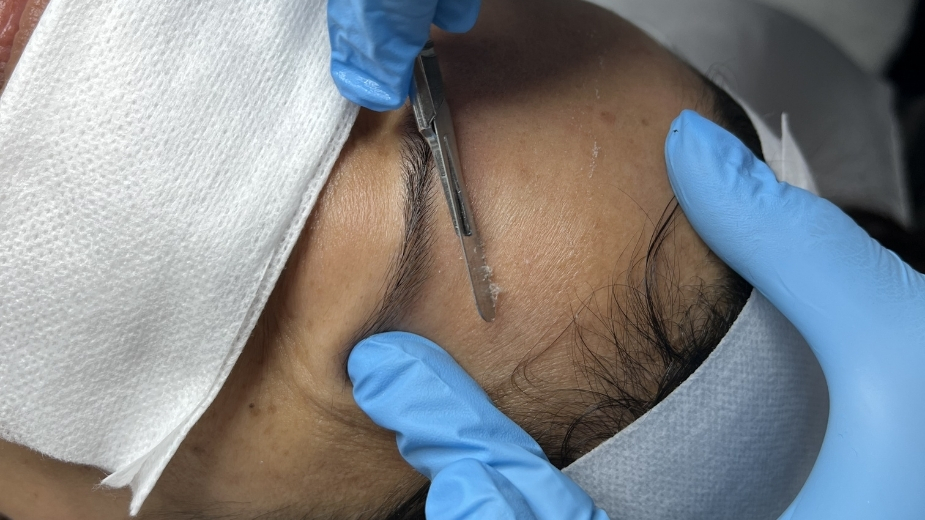
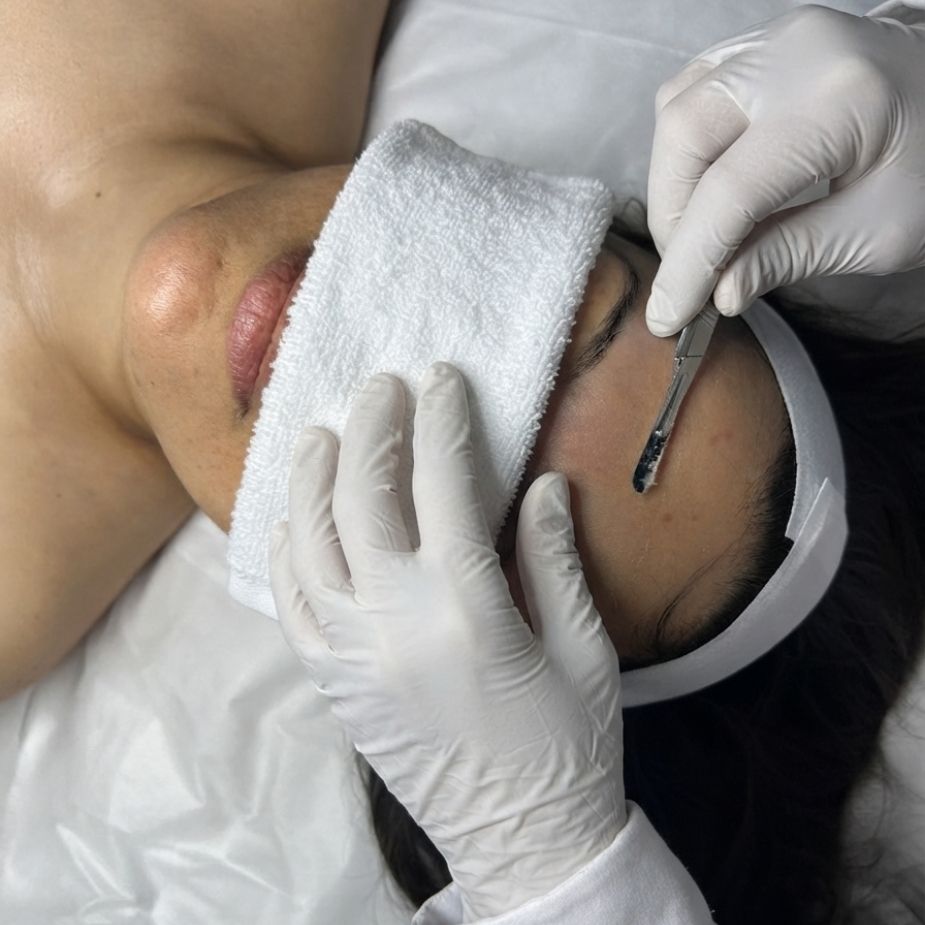
Dermaplaning is a manual exfoliation technique that uses a sterile surgical scalpel to gently scrape off the top layer of dead skin cells and fine vellus hair, often called peach fuzz. The procedure is performed by trained skincare professionals or dermatologists.
Unlike chemical exfoliants that use acids to dissolve dead skin, dermaplaning physically removes the outermost layer, revealing fresh, smooth skin underneath. It is painless and typically takes about 30 minutes per session.
How dermaplaning targets skin texture
Skin texture refers to the smoothness and evenness of the skin surface. Rough patches, bumps, and dullness are common texture concerns caused by dead skin buildup, clogged pores, and fine hair.
Dermaplaning improves skin texture by:
Removing dead skin cells that create a rough, uneven surface
Eliminating fine facial hair which can trap dirt and oil, leading to clogged pores
Stimulating cell turnover by exposing fresh skin, encouraging natural regeneration
Allowing better absorption of skincare products by clearing the barrier of dead cells
By clearing away these surface obstacles, dermaplaning reveals a smoother, brighter complexion that feels soft to the touch.
Benefits of dermaplaning for skin texture
Dermaplaning offers several advantages that directly impact skin texture:
Immediate smoothness: Right after treatment, skin feels noticeably softer and looks more radiant.
Reduces rough patches: Regular sessions help break down rough, flaky areas.
Minimizes fine lines: By promoting cell turnover, dermaplaning can reduce the appearance of fine lines over time.
Improves makeup application: Smooth skin allows foundation and other products to glide on evenly without clumping.
Safe for most skin types: Unlike some chemical peels, dermaplaning is gentle and suitable for sensitive skin
For example, clients with dry, flaky skin often report a significant improvement in texture after just one session. Those with mild acne scars or uneven tone also notice a smoother surface that enhances their overall complexion.
What to expect during and after dermaplaning
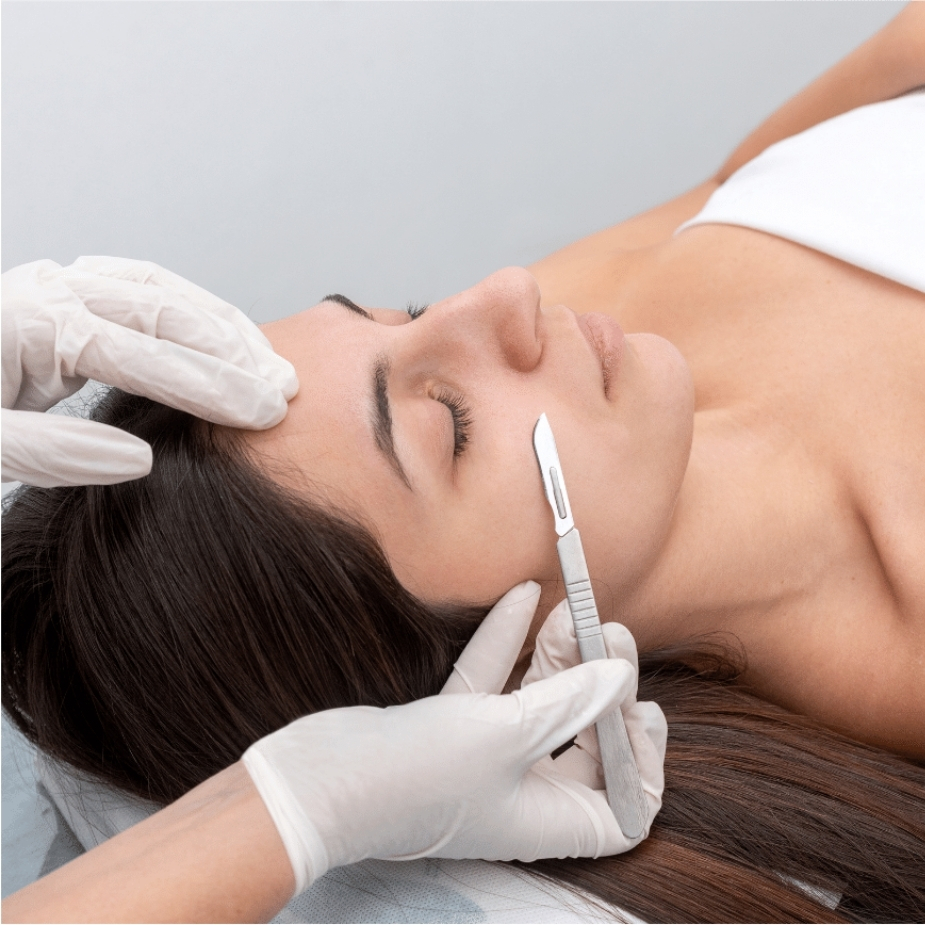
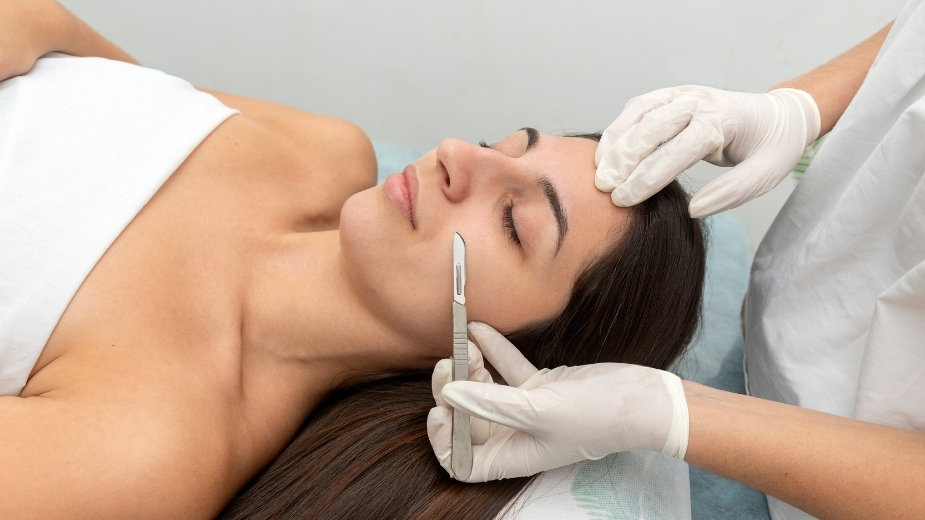
During the procedure, your skincare professional will cleanse your face and use a sterile scalpel at a 45-degree angle to gently scrape the skin. The process is quick and usually pain-free.
After dermaplaning:
Skin may appear slightly pink but this fades within hours.
Avoid direct sun exposure and use sunscreen to protect the new skin layer.
Apply hydrating serums and moisturizers to support healing.
Results typically last about 3 to 4 weeks. Many people schedule monthly treatments to maintain smooth texture and glow.
Who should consider dermaplaning?
Dermaplaning suits people who want to improve skin texture without harsh chemicals or downtime. It works well for:
Individuals with dry or rough skin
Those with fine facial hair causing uneven texture
People looking to enhance makeup application
Anyone seeking a gentle exfoliation alternative
Clients with mild acne scars or dull skin
However, dermaplaning is not recommended for active acne, eczema, or rosacea flare-ups. Consulting a skincare professional before treatment ensures it fits your skin’s needs.
Combining dermaplaning with other treatments
Dermaplaning pairs well with other skincare treatments to boost texture improvement:
Chemical peels: After dermaplaning removes dead cells, peels penetrate deeper for enhanced exfoliation.
Facials: Hydrating or brightening facials post-dermaplaning nourish fresh skin.
Microneedling: Combining treatments can improve skin texture and collagen production.
For example, a client might schedule dermaplaning followed by a gentle peel to maximize smoothness and glow. Always follow professional advice on timing and combination.
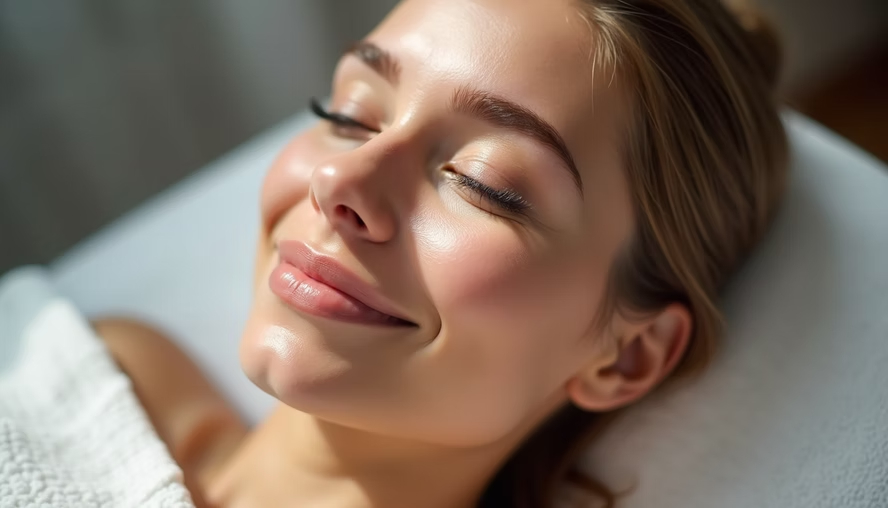
Tips for maintaining improved skin texture after dermaplaning
To keep the benefits of dermaplaning longer, consider these tips:
Use gentle cleansers and avoid harsh scrubs.
Apply moisturizer daily to keep skin hydrated.
Wear broad-spectrum sunscreen every day.
Avoid picking or exfoliating aggressively between treatments.
Follow a consistent skincare routine with products suited for your skin type.
By caring for your skin properly, you extend the smooth texture and radiant look dermaplaning provides.
Understanding how dermaplaning improves skin texture reveals why it has become a popular choice for many seeking smoother, brighter skin. This treatment removes dead skin and fine hair, allowing fresh skin to shine through and enhancing the effectiveness of skincare products. Whether you want to reduce rough patches, improve makeup application, or simply enjoy a soft, glowing complexion, dermaplaning offers a safe and effective option.